As summer settles in around Canyon Hill Farms, the rhythm of the barn starts changing along with the temperatures. Early morning feedings come a little earlier, evening rides stretch a little later, and everyone — horses and riders alike — begins adjusting to the warmer days ahead.
Summer can be one of the best times to ride and spend time around the barn, but it’s also the season when paying attention to hydration, heat, and recovery becomes especially important.
For horses, even routine exercise can become more demanding during extended periods of heat. Staying ahead of those conditions with thoughtful management and consistent observation goes a long way toward keeping horses comfortable and healthy throughout the season.
Understanding How Heat Affects Horses
Most horses handle summer weather reasonably well when given proper care, access to water, and sensible routines. Still, high temperatures can affect horses differently depending on:
- workload
- age
- conditioning
- coat thickness
- humidity levels
- turnout conditions
Some horses naturally tolerate heat better than others, while some may become fatigued more quickly during hotter stretches of weather.
One of the most important things horse owners can do during summer is simply remain observant. Small changes in energy, appetite, hydration, or recovery time can often tell us a great deal about how a horse is handling the season.
Adjusting Riding Schedules During Hot Weather
Around many barns, summer riding schedules naturally shift toward cooler parts of the day.
Early mornings and evenings tend to provide safer, more comfortable conditions for both horses and riders, especially during extended heat waves. Midday riding isn’t always avoidable, but adjusting intensity and duration during hotter hours can help reduce unnecessary stress on horses.
Summer is also a good reminder that productive rides do not always need to be intense rides.
Some days are better suited for:
- lighter flatwork
- groundwork
- trail walking
- stretching exercises
- shorter conditioning sessions
Part of good horsemanship is recognizing when conditions call for flexibility rather than pushing through a planned routine.
The Importance of Hydration
Hydration becomes one of the biggest priorities during summer barn management.
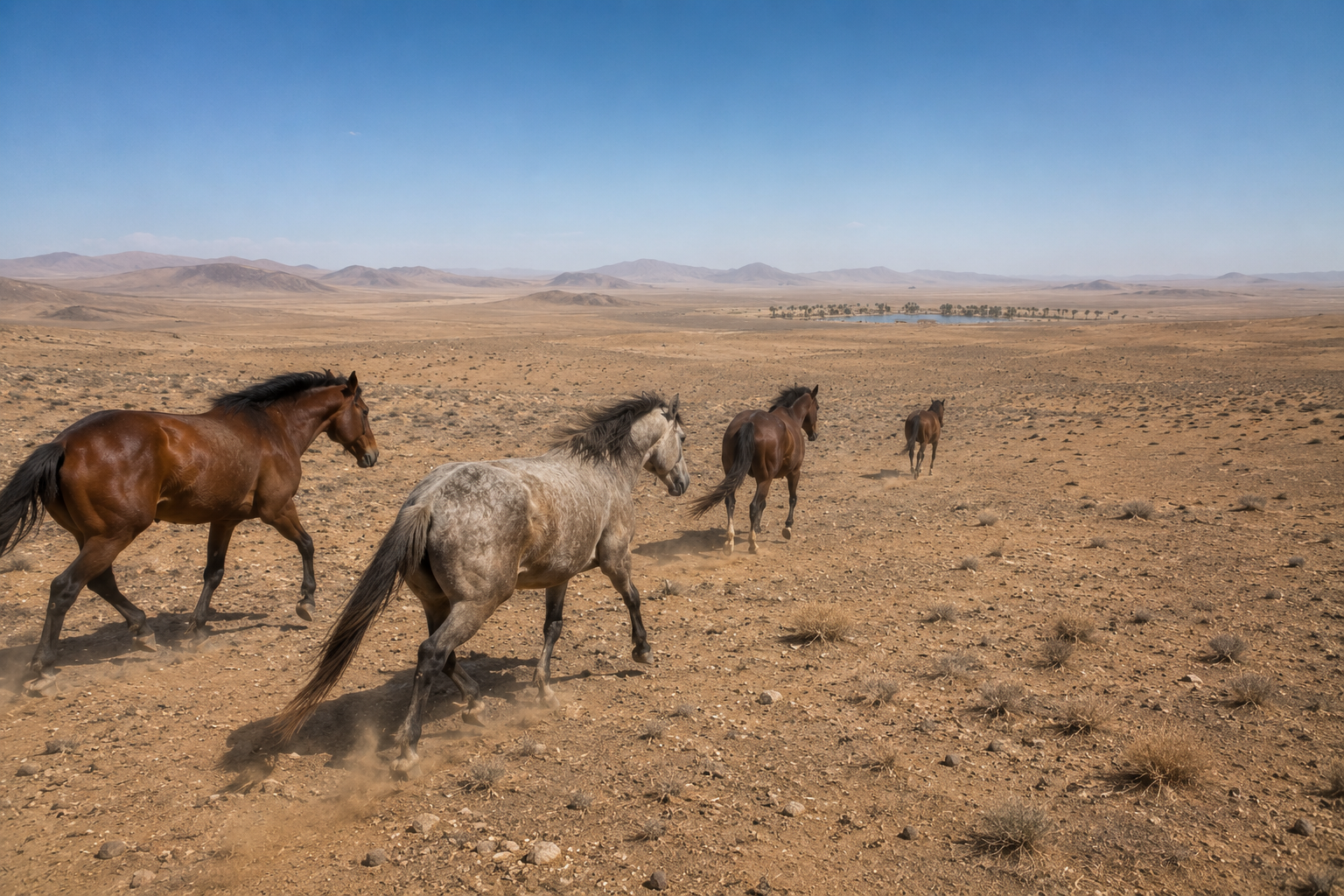
Horses can lose significant amounts of fluid through sweat during riding, turnout, transport, and even while simply standing in warm conditions. Clean, accessible water should always remain a constant priority both in stalls and turnout areas.
Many horse owners also begin paying closer attention to electrolyte support during the summer months, particularly for horses in regular work or extended turnout.
At the barn, summer often means routinely checking:
- water buckets and troughs
- refill systems
- shade availability
- airflow inside stalls and barns
- recovery time after rides
Simple habits and consistency often make the biggest difference during hotter periods of the year.
Watching for Signs of Heat Stress
Every horse owner should have a basic awareness of how heat stress can present itself.
Signs that may warrant closer attention can include:
- excessive sweating or lack of sweating
- rapid breathing that does not recover normally
- lethargy
- elevated heart rate
- unwillingness to continue working
- unusual fatigue
- dehydration
Summer management is rarely about reacting dramatically. More often, it’s about noticing smaller signs early and adjusting routines before issues develop further.
A little caution and awareness can prevent many heat-related problems before they start.
Summer Around the Barn
Summer barn life tends to have its own atmosphere.
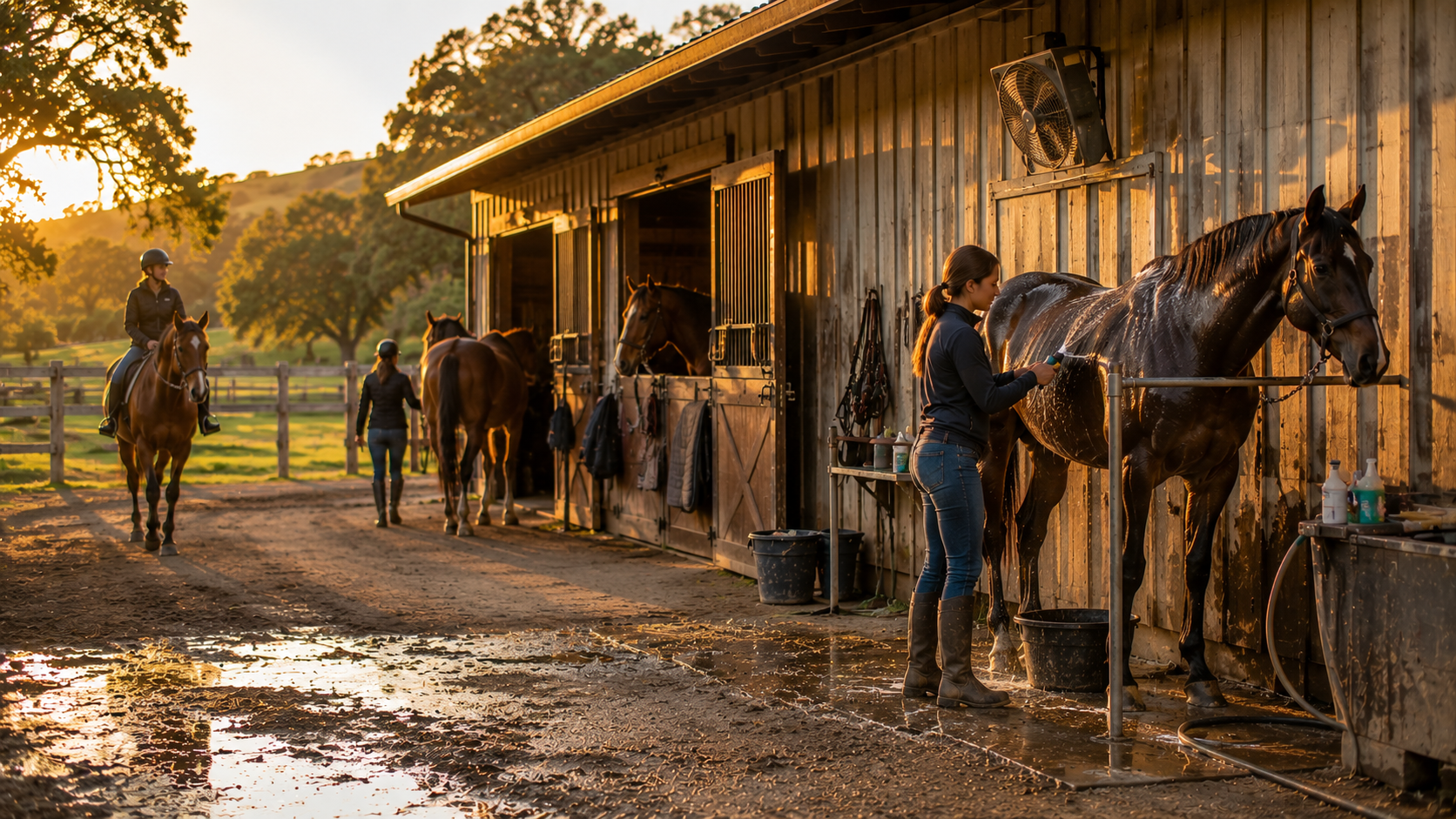
There’s usually more movement around the property — trailers coming and going, evening lessons running later into the day, and riders trying to make the most of longer daylight hours. Fans hum steadily in the aisles while horses stand quietly after evening turnout, waiting for dinner as the sun finally begins to drop behind the hills.
Of course, summer around horses also means dust, sweat, fly spray, sunscreen, and constantly checking the weather before planning rides.
That’s simply part of the season.
At Canyon Hill Farms, summer management always comes back to consistency, horse welfare, and paying attention to what each horse needs as temperatures rise.
With thoughtful routines, good hydration, and a little flexibility, summer can remain one of the most rewarding times of year to be at the barn.