Every boarding barn develops its own atmosphere over time.
Some barns stay busy from sunrise to sunset with lesson schedules and constant activity. Others settle into a quieter rhythm where horses, riders, and families gradually get to know one another through everyday routines around the property.
At Canyon Hill Farms, one of the things we’ve always appreciated most about barn life is that strong stable communities are usually built through consistency, shared respect, and a mutual focus on the horses themselves.
Good barn environments rarely happen overnight. More often, they develop slowly through the smaller moments that become part of daily life around horses:
holding a horse for someone running late,
checking a water bucket without being asked,
welcoming newer riders,
or simply taking the time to help someone feel comfortable around the barn.
For many horse owners, the atmosphere around a stable matters almost as much as the facility itself.
Horses Tend to Set the Tone
One thing many experienced horse people learn over time is that horses often reflect the overall environment around them.
Calm, consistent routines usually create calmer horses. Predictable turnout schedules, respectful handling, and steady barn management often help horses settle more comfortably into daily life.
At boarding barns especially, consistency matters because horses thrive on familiarity:
- feeding routines
- turnout schedules
- handling expectations
- stable environments
- rider behavior
When horse welfare stays at the center of decision-making, the entire atmosphere around a barn often becomes steadier and more enjoyable for both horses and people.
That doesn’t mean barns need to feel overly strict or rigid. In many cases, the best barn environments are simply the ones where expectations remain clear and horses are treated thoughtfully and consistently.
Shared Spaces Work Best With Mutual Respect
Boarding barns naturally bring together people with different riding styles, experience levels, schedules, and goals.
Some riders enjoy quiet trail rides. Others are focused on improving confidence or consistency in the saddle. Some owners spend hours grooming and relaxing around the barn, while others stop in after work simply to feed, ride, and check on their horses before heading home.
A good boarding environment makes room for all of those experiences.
Shared barn spaces tend to work best when people remain considerate of one another:
- keeping aisles clear
- communicating respectfully
- being mindful in arenas and turnout areas
- understanding that not every rider is at the same stage of experience
For beginner riders especially, a welcoming environment can make a tremendous difference in confidence and enjoyment around horses.
Most horse people remember what it felt like to be new at a barn once themselves.
Barn Life Is About More Than Riding
One of the quieter realities of horse ownership is that many meaningful moments around horses happen outside the saddle.
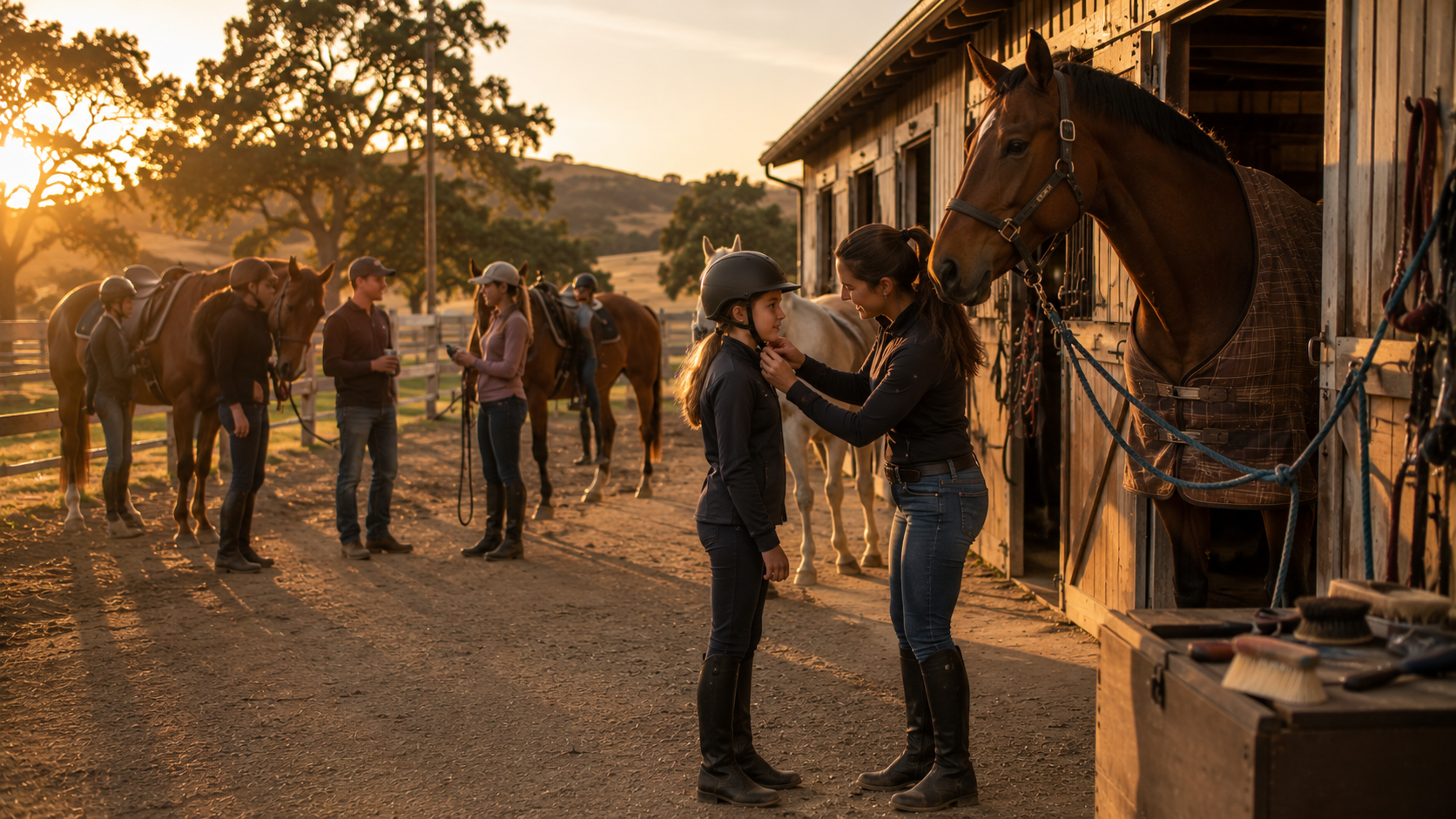
Barn communities often grow through ordinary routines:
- evening conversations while cleaning tack
- helping catch a loose horse
- checking in after a difficult day
- watching kids become more confident around horses
- spending time at the barn even without riding
For many families, barns become one of the few places where people regularly slow down, work together, and spend time outdoors in a shared environment centered around animals and responsibility.
That sense of community tends to develop naturally in calmer, lower-pressure barn environments where horses remain the common focus rather than competition or ego.
At Canyon Hill Farms, we’ve always appreciated the quieter side of stable life:
the peaceful rural atmosphere,
weekend activity around the barn,
families spending time together,
and the simple consistency that comes from caring for horses day after day.
Good Horsemanship Is Always Ongoing
One of the best things about horses is that they constantly remind us there is always more to learn.
No matter how experienced someone becomes, horsemanship continues to involve:
- patience
- observation
- adaptability
- consistency
- humility
Strong barn communities often encourage learning rather than judgment. Riders improve at different speeds, horses respond differently to different people, and confidence develops over time through experience and repetition.
That kind of environment tends to create safer and more supportive experiences for everyone involved — especially adult amateurs, beginner riders, and younger horse enthusiasts beginning to spend more time around barns.
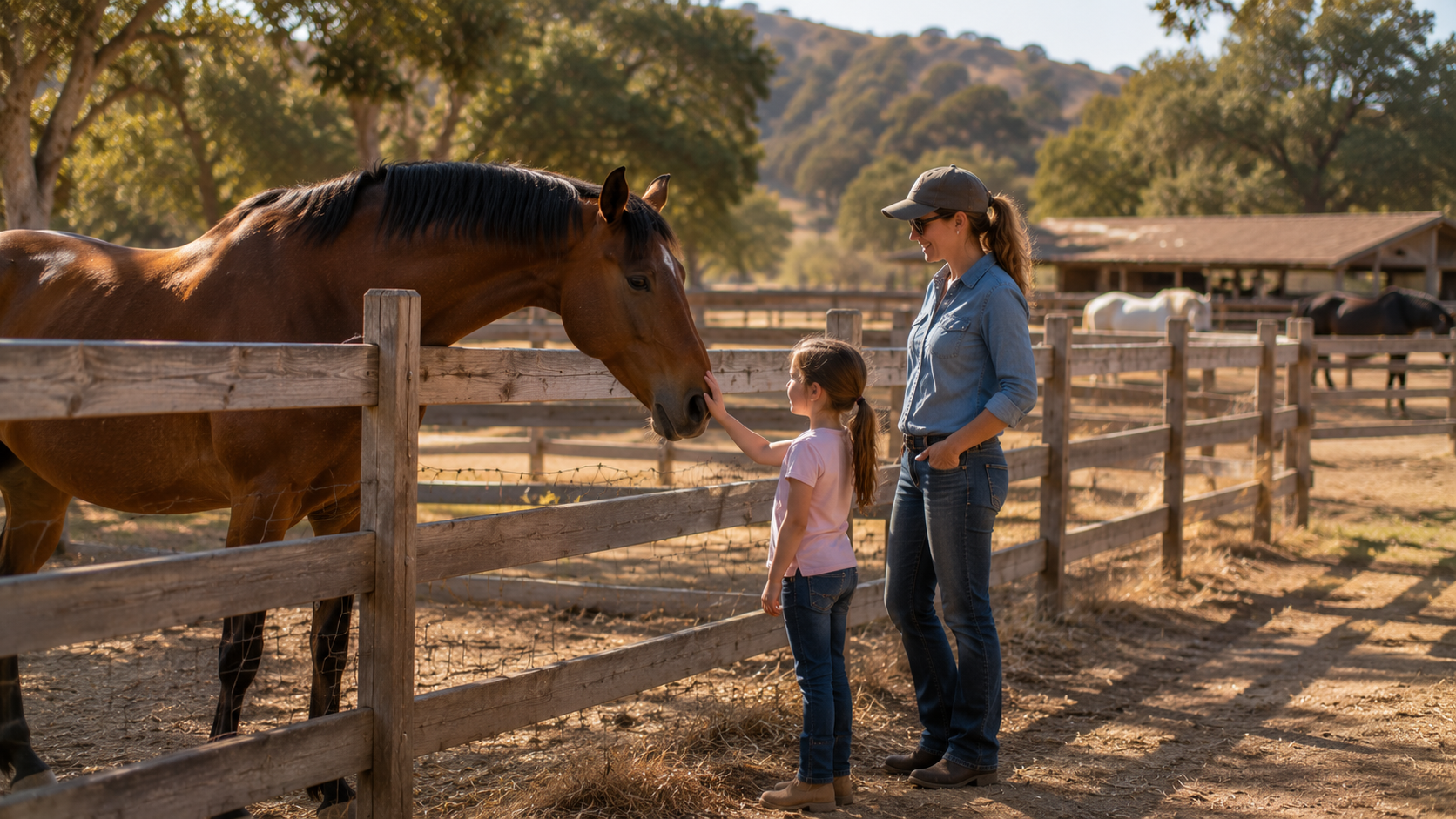
As Canyon Hill Farms continues growing, we’re also looking forward to expanding opportunities for younger riders and families around the stable. We’ve recently been working toward adding children’s riding lessons in the future, something we’re excited to continue developing in a thoughtful and horse-centered way.
Building a Barn Community Over Time
Strong boarding communities are rarely built through large events or dramatic moments.
More often, they are built quietly over time through everyday consistency:
people helping one another,
horses receiving steady care,
families feeling welcome,
and riders sharing a common respect for both the animals and the environment around them.
At the end of the day, most horse people are looking for many of the same things:
healthy horses,
a peaceful atmosphere,
supportive people,
and a place where spending time around the barn simply feels comfortable.
At Canyon Hill Farms, we’re grateful for the riders, families, and horse owners who continue helping shape that kind of environment day by day.